Add Row
Add Element
UPDATE
Add Element
  • Home
  • Categories
    • Business Marketing Tips
    • AI Marketing
    • Content Marketing
    • Reputation Marketing
    • Mobile Apps For Your Business
    • Marketing Trends
October 29.2025
3 Minutes Read

Unlock Your Business Potential: Mastering Topic Clusters for SEO

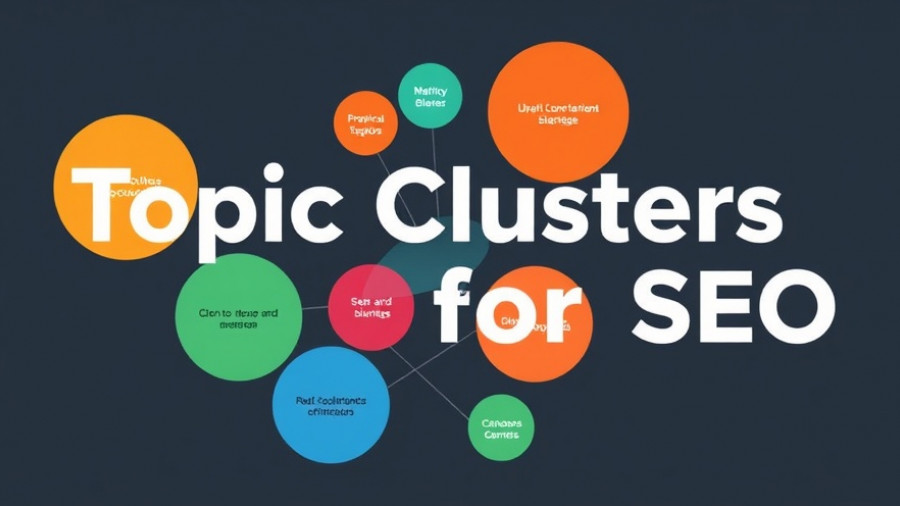
Topic Clusters for SEO: What They Are & How to Create Them

Understanding the Power of Topic Clusters in SEO

In today's digital ecosystem, small and medium-sized businesses are constantly vying for visibility and engagement. One effective strategy that has emerged is the use of topic clusters, a content marketing approach designed to build authority and improve search engine rankings. But what exactly are topic clusters, and how can they transform your digital marketing efforts?

A Breakdown of Topic Clusters

A topic cluster is a group of interlinked, related pages connecting to a central pillar page. The pillar serves as a comprehensive overview of a broader subject, while the cluster pages dive into specific subtopics. This interconnected web of content helps search engines like Google understand your site's content structure, improving your chances of ranking for core and related keywords.

Why Topic Clusters Matter for Small Businesses

Small businesses often face challenges in gaining visibility online due to limited resources and competition from larger brands. By adopting a topic cluster strategy, they can:

  • Establish Authority: By clustering related content, businesses demonstrate expertise and reliability in their chosen niche.
  • Enhance SEO Performance: Internal linking within clusters helps search engines index related pages more efficiently and can reduce issues like keyword cannibalization.
  • Increase User Engagement: Well-structured content encourages visitors to explore more pages, reducing bounce rates and increasing time on site.

Steps to Create Effective Topic Clusters

Creating topic clusters can seem daunting, but the following steps can streamline the process:

  1. Identify Your Core Topic: Start by selecting a broad topic relevant to your business that can support multiple subtopics. For example, a bakery might choose “Baking Techniques” as their core topic.
  2. Research Related Subtopics: Use tools such as Google Trends or keyword research platforms to identify related queries and interests. A bakery’s subtopics could include “Bread Baking Tips,” “Cake Frosting Techniques,” and “Pastry Making Essentials.”
  3. Create and Link Your Content: Develop a pillar page that comprehensively covers the core topic and write separate articles for each subtopic, linking them back to the pillar. This method aids in creating a cohesive structure.

Performance Monitoring and Optimization

After implementing your topic clusters, it’s crucial to monitor their performance. Utilize analytics tools to track which pages attract the most traffic, average time on site, and user engagement levels. Adjust your content strategy based on these insights by updating underperforming pages or expanding upon popular ones.

Real-World Examples of Successful Topic Clusters

Several businesses have successfully adopted topic clusters to enhance their online presence. For instance, HubSpot utilizes an inbound marketing cluster that starts with a comprehensive guide to inbound marketing, linking to various related resources like blog posts, webinars, and tools. This not only improves their search rankings but also creates paths for lead generation.

Another example is Salesforce, which has developed an extensive CRM cluster. Their strategy includes various resources such as videos and articles tailored to different aspects of customer relationship management, successfully guiding potential customers through their buyer journey while establishing themselves as a thought leader in the industry.

Conclusion: Move Forward with Confidence

Implementing a topic cluster strategy can profoundly impact your business's digital footprint. By building a cohesive content network, your small or medium-sized business can enhance visibility, improve user engagement, and establish authority in your niche. Start small, choose your first topic cluster today, and see the difference it can make in your marketing efforts.

Content Marketing

Write A Comment

*
*
Please complete the captcha to submit your comment.
Related Posts All Posts
04.18.2026

Unlocking the Future of Content: Why Taste Matters for SMBs

Update Why Taste is the New Currency in Content CreationIn today’s fast-paced digital landscape, the ability to discern quality content from a sea of mediocrity has never been more crucial. For small and medium-sized businesses (SMBs), competing in a content-saturated market demands a grounded approach that prioritizes taste over sheer volume. The era of automated content production, enhanced by AI technologies, has levied an unexpected burden: everyone can produce content, but few can create it with genuine impact.The Overload Dilemma: More is Not Always BetterBusinesses often fall prey to the allure of producing more content. However, this tactic can backfire, diluting a brand's message and overwhelming consumers. A staggering 74% of empowered buyers report abandoning purchases due to content overload, as per Accenture's findings. What businesses need instead is clarity, as clarity fosters trust and engagement. By selecting quality over quantity, brands position themselves to resonate more deeply with their audiences, making every piece of content count.Understanding the Essence of 'Taste'Taste, often perceived as a subjective trait, is a compass guiding businesses to understanding their unique voice and audience needs. Creatives must navigate what aligns with their brand ethos and what doesn’t, much like an editor curating stories for a publication. Those brands that leverage taste—as a blend of knowledge, audience understanding, and strategic intent—will ultimately stand out. Organizations can cultivate this skill through frameworks and guidelines that celebrate their storytelling voice while avoiding the pitfalls of generic content.Codifying Taste Without Stifling CreativityFor SMBs striving to define their taste, the challenge lies in structuring this without robbing creativity. Codifying taste creates boundaries that inform what works for the brand’s goals while maintaining room for innovation. Brands should focus on establishing guardrails that empower creators to explore while adhering to what fits the broader narrative they aim to convey. This balance ensures that each piece of content adds value, rather than becoming just noise in the market.The Human Touch: Why Editorial Judgment is ImperativeAs the landscape shifts towards AI-driven content generation, the role of human editors has become more critical than ever. According to a recent report, AI-generated content, while efficient, often lacks the nuanced judgment that human experience brings. This is where SMBs can harness the power of editorial oversight to maintain quality. Emphasizing human-in-the-loop content strategies, brands can blend the efficiency of AI with the irreplaceable insight of human judgment.Empowering Teams to Make JudgmentsSo, how can SMBs ensure that their teams are empowered to make the right judgment calls? It begins with fostering an environment where editorial standards are shared and upheld. By prioritizing rigorous standards for content accuracy, brands can reinforce their authority and build trust with their audience. This translates into measurable success, with research indicating that businesses employing robust editorial frameworks can see substantial improvements in visibility and engagement.Final Thought: Moving Forward with a Judicious ApproachThe content landscape may be evolving rapidly, but the fundamental principles of taste, judgment, and audience connection remain vital. For small and medium businesses navigating this terrain, the future is not just about creating more content, but crafting authentic narratives that resonate. By focusing on quality over quantity, and integrating human judgment into the process, brands will not only distinguish themselves in the marketplace but also cultivate lasting relationships with their audience.To stay ahead in this competitive space, it's critical for businesses to implement a dose of taste in their content strategy. Explore best practices tailored for your unique challenges and take proactive steps towards enhancing your content quality. Only then can you secure your brand’s future.

04.18.2026

Building Lasting Content Cultures: What Every SMB Needs to Know

Update Understanding the Heart of Sustainable Content CulturesIn the fast-paced world of digital marketing, building a robust content culture is akin to nurturing a living organism. Just like any thriving entity, a content culture can flourish or fade depending on the core values it embodies and the commitment of its contributors. As small and medium-sized businesses navigate the complexities of digital content, recognizing the fundamental pillars of successful content cultures can be the key to long-lasting engagement and profitability.The Mission: Aligning Hearts and MindsThe cornerstone of a thriving content culture lies in having a clear mission that resonates with every member of the team. Successful companies often define a unified purpose—a 'why'—behind their content creation efforts. This shared mission not only aligns the hearts of contributors but also helps nurture a cohesive narrative across platforms and campaigns. A mission-driven approach creates an atmosphere where every piece of content serves a greater goal, fostering collaboration and creativity rather than siloed tactics. According to research from the Content Marketing Institute, a staggering 97% of content marketers boast a documented strategy, yet 42% cite unclear goals as a barrier to achieving their aspirations.Content as a Collective ResponsibilityA pervasive myth in many organizations is that content creation is solely the responsibility of the marketing team. This misconception can lead to missed opportunities and disengaged employees, as departments work in isolation. The truth is, effective content marketing requires collaboration across various teams—sales, product, and customer success, to name a few. This shared ethos was echoed in a recent statement from Forrester, highlighting a disparity where 82% of executives believe their teams are aligned, while only 8% of marketing and sales professionals report strong alignment. By integrating diverse perspectives and knowledge throughout the organization, businesses can enrich their content, thereby enhancing its relevance and impact.Creating Sustainable Processes: Breaking the Sprint MentalityIn the relentless quest for fresh content, many businesses fall into the trap of heroic sprints—short bursts of high-intensity work that lead to burnout and inconsistency. A significant 52% of content creators report experiencing career burnout and nearly 37% have considered leaving the industry due to the pressure to deliver constantly. Instead of fostering an environment of stress and urgency, effective content cultures thrive on sustainable processes that prioritize planning and strategy over frantic, hasty creations.A Holistic View of Content MarketingCompanies with successful content cultures often view content marketing as an integral part of their operational strategy, not just a marketing tactic. Echoing insights from industry experts, companies like Airbnb incorporate their core values deeply into their content creation processes. They ensure every team member, from developers to customer support staff, understands and contributes to the overarching narrative of the brand. This inclusive approach leads to authentic content that resonates with audiences and reflects the true spirit of the company.Looking Ahead: The Future of Content CulturesAs the digital landscape continues to evolve, the importance of cultivating a strong content culture will only grow. Companies that prioritize mission-driven collaboration and sustainable content practices will likely stand out in an increasingly crowded marketplace. By investing in a long-term vision for content marketing—and supporting it with appropriate resources such as training and strategy development—small and medium-sized businesses can develop unique identities that resonate with their audiences and drive sustained success.Taking Action: Building Your Content Culture TodayFor small and medium-sized businesses looking to establish or enhance their content cultures, the journey starts with identifying a shared mission. Engage your team in discussions about what they believe your organization stands for. Clarify roles across departments to promote collaboration rather than competition, and create a process that values quality over sheer quantity. Remember, the goal is to cultivate a culture where every individual feels empowered and engaged with the content they produce. If you’re ready to prioritize this strategy, start by drafting a mission statement today that reflects your business values and the needs of your audience. It might just be the spark you need to create content that not only resonates but revives your brand.

04.17.2026

Why AI Writing Tools Fall Short: Insights Every SMB Should Know

Update The Future of AI Writing Tools: What You Need to Know In recent years, artificial intelligence (AI) has reshaped the writing landscape, particularly in content marketing. Yet, while AI writing tools are marketed as revolutionary, they often miss the mark when it comes to the nuances of quality writing. For small and medium-sized businesses looking to leverage these technologies effectively, understanding the limitations of these tools is crucial. Why Writing Isn't Just About Speed AI writing tools like Jasper, Writesonic, and Frase are designed to make writing faster, but the actual challenge in content marketing lies not in churning out words but in crafting messages that resonate and inform. AI may generate text that sounds coherent, but it frequently lacks depth and accuracy. Business owners must ensure that the content is not only written quickly but also reflects up-to-date and factual information. The Hard Truth: Tools Can't Fact-Check A significant drawback of AI content generators is their reliance on existing online data, which may be outdated or biased. When these tools generate content based on popular web pages, they risk perpetuating inaccuracies. AI tools can combine facts, but they have no comprehension or understanding of context, leading to potential errors in details, whether it's prices, features, or other critical information. Building a Solid Knowledge Base One way SMBs can overcome the limitations of AI writing tools is by establishing a strong foundational knowledge base before engaging AI. This involves compiling critical data about their products or industry trends and organizing it into manageable reference files. By doing so, businesses can maximize the quality of the content generated, ensuring it is both relevant and accurate. Editing: The Human Touch in AI Writing Despite the convenience offered by AI writing tools, human intervention remains vital. The nuance in human communication—understanding brand voice, tone, and the subtlety of intent—cannot be underrated. After generating initial drafts using AI, time spent on editing to align the tone and validate facts becomes essential. Common Misconceptions About AI Writing Tools Many believe that AI writing tools produce ready-to-publish content. However, these tools typically produce a rough draft needing substantial refinement from a human editor. Whether you're crafting web copy or marketing materials, you must read through every generated piece meticulously, addressing any elements that might misalign with your brand. Real-Life Experiences with AI in Writing In my exploration of AI writing, I generated 40 articles using various platforms. Each time, I faced repeated issues—wrong facts, misinterpreted tones, and incoherent structures. The consistent takeaway was that no matter how efficient the technology became, the end product required substantial human editing. Crafting content is more akin to cooking; it's an iterative process where tasting and tweaking are crucial. Preparing for a Hybrid Future The world of content creation is evolving, and businesses must adapt to a hybrid model where AI tools assist rather than replace essential human creativity. It’s important for small and medium enterprises to learn how to effectively integrate AI into their strategies without sacrificing quality. Balancing AI capabilities with personal expertise can produce exceptional results. Actionable Strategies for Your Content Process To make the most out of AI writing tools while maintaining high content quality: 1. Build a comprehensive reference database tailored to your offerings. 2. Engage in active editing—don’t skip the human touch. 3. Stay informed about the current capabilities and limitations of AI technology. By following these steps, businesses can emerge as credible, reliable sources of content. The integration of AI technology in writing presents great opportunities, but it doesn't come without challenges. Equip yourself with knowledge, maintain a critical eye, and engage actively with the content you produce.

Terms of Service

Privacy Policy

Core Modal Title

Sorry, no results found

You Might Find These Articles Interesting

T
Please Check Your Email
We Will Be Following Up Shortly
*
*
*